


Could This Device Help Ease Your Pet’s Separation Anxiety?
January 23, 2025 | Pet Tips
By Dr. Karen Shaw Becker - https://www.barkandwhiskers.com/2025-01-08-pets-separation-anxiety/
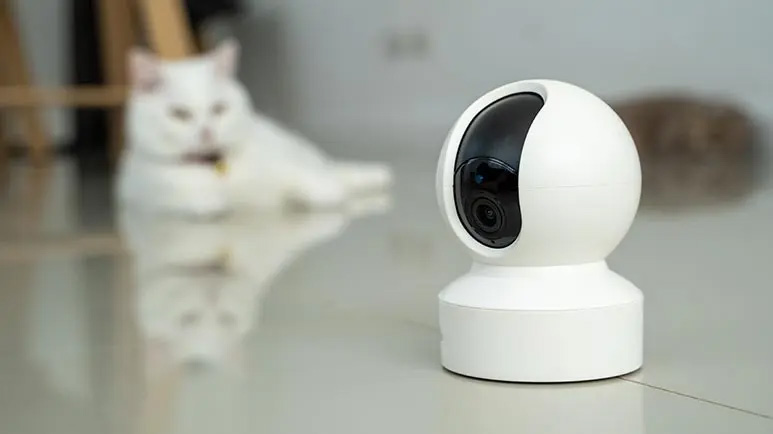
Separation anxiety leaves your pet stressed and destructive. When used correctly, this device can serve as an effective tool in a comprehensive strategy to help your pet feel secure and independent.
Many pets find it difficult to cope when left alone, whether from anxiety, boredom or excessive attachment to their owners. While some adjust over time, others display behaviors that signal a more serious issue — separation anxiety.
Understanding what happens during your absence is a vital step in addressing the issue. Pet cameras provide valuable insights into your pet’s actions and emotional state while you’re away. However, their effectiveness depends on how they are used. Striking the right balance is key to using this tool effectively as part of a broader strategy to help your pet feel secure and independent.
Separation anxiety in pets is a serious condition, comparable to a human panic attack. It’s not a behavior they can control — it’s an overwhelming response to fear and stress triggered by being left alone. Unlike boredom or curiosity, separation anxiety manifests as intense emotional distress. Common signs include:1,2
Separation anxiety does not develop without underlying factors. Genetic predispositions, environmental influences and situational triggers all contribute to this condition. Poor early socialization is another major cause, especially for pets that were not taught to be alone during their formative weeks.3,4 Rescue animals are especially vulnerable due to histories of abandonment or neglect, which can intensify their fear of being left behind.5
Changes in routine or environment are also common triggers. Moving to a new home, a change in family dynamics or shifts in work schedules can unsettle even the most secure pets. Many animals struggled with sudden isolation when their owners returned to work after months of constant companionship during the pandemic.6
Additionally, pets that are overly attached to their owners often lack the ability to self-soothe when separated. If separation anxiety behaviors emerge suddenly, contact your veterinarian; it’s important to rule out underlying medical issues, such as pain or illness, that could be exacerbating their stress.7
Not all disruptive or destructive behavior is caused by separation anxiety. If your pet occasionally chews on a shoe, digs through the trash or knocks over items while you’re away, it’s more likely boredom or natural exploratory behavior. True separation anxiety is marked by behaviors that occur only when you’re gone and happen consistently whenever you leave.8
Pets with separation anxiety also display signs of distress before you have even left the house. For example, they may pace, cling to you or vocalize anxiously as you prepare to leave. These behaviors reflect their rising fear and anticipation of being alone.
If you’re unsure whether your pet is dealing with separation anxiety, a pet camera can help you assess the situation. Monitoring your pet’s behavior while you’re away can help distinguish between anxiety-driven actions and occasional mischief. This insight is essential for addressing the underlying problem effectively and ensuring your pet feels secure.9
Pet cameras have become a popular tool for dealing with separation anxiety, and it’s easy to see why. These devices let you check in on your pet when you’re away, giving you a chance to see how they’re coping and whether they’re showing signs of stress like pacing, barking or destructive behavior. For instance, if your dog is circling near the door or whining, you can use the camera to observe the situation and figure out what’s triggering their anxiety.
However, while many pet cameras offer features like two-way audio that lets you talk to your pet, this isn’t always helpful. While hearing your voice might offer temporary reassurance, it risks reinforcing your pet’s dependence on your presence. This can make it even harder for your pet to develop the independence they need to manage their anxiety when alone.10
Some advanced cameras include interactive capabilities, like treat dispensers or remote-controlled toys, which can redirect your pet’s attention and reward calm behavior. These features can be helpful when used sparingly as part of a broader strategy to build independence. However, the primary focus should remain on using the camera to observe patterns and triggers of anxiety rather than trying to “fix” the behavior in real-time.
Ultimately, pet cameras are a diagnostic and monitoring tool, not a cure for separation anxiety. They give you valuable insights into what happens when you’re not home, helping you determine if your pet is truly anxious or just bored.
Some cameras even analyze behaviors like excessive barking or pacing and send you notifications, making it easier to understand your pet’s patterns and triggers. This information is a great starting point for developing a plan to address the root cause of their anxiety — whether that’s making changes to their environment, adjusting their routine or working on training.
Helping your pet feel secure and independent is key to addressing separation anxiety. The goal is to reduce their dependence on you so they can remain calm and confident when you’re not at home. This process involves behavior modification techniques designed to promote independence and reduce anxiety, including:11,12
Before leaving home, it’s equally important to avoid making a fuss. Try to ignore your pet for at least 30 minutes before you go. This prevents reinforcing any anxious behaviors tied to your departure. A few minutes before you leave, offer a food-stuffed toy or a treat-release puzzle to keep them distracted and engaged. Slip out the door quietly while they’re focused on their toy, and avoid saying goodbye or making a big production out of leaving.
While you’re away, create an environment that promotes calmness. Play classical music or calming soundtracks, let natural light in by opening the blinds, and hide treat-filled toys around the house to provide stimulation and reward exploration. If you’ll be gone for an extended period, consider hiring a dog walker or pet sitter to break up the day and provide companionship.
When you return home, stay calm and avoid reacting to your pet’s enthusiastic greeting until they’ve settled. Interacting with them when they’re frenzied reinforces their excitement and creates an association between your arrival and heightened emotions. Wait until they’re relaxed, then offer attention as a reward for calm behavior.
These actions often signal your departure and heighten your pet’s stress. To reduce their association with you leaving, perform these actions at random times when you’re not actually leaving. For instance, pick up your keys and sit down on the couch or grab your coat and walk around the house. Over time, this helps dissociate these triggers from your departures.
Begin by practicing short ‘separations’ while you remain at home. Begin by stepping just a short distance away from your pet while remaining in the same room. Return after a few seconds and reward them with praise and a treat if they remain calm. Repeat this process until your pet is comfortable, then gradually increase the distance until you’re stepping out of sight. Continue rewarding calm behavior and slowly work up to longer periods apart, ensuring your pet stays relaxed at every stage.
This process requires patience and consistency. If your pet becomes anxious or runs after you as soon as you step away, go back to shorter separations and build their confidence more gradually. The goal is to teach your pet that your absence is temporary and nothing to worry about.
Above all, remember that your pet’s behaviors stem from anxiety, not disobedience. If you come home to a mess or destruction, avoid yelling or punishing them. These actions will only increase their stress and make the problem worse. Instead, focus on creating a calm, structured environment and helping your pet build the confidence they need to feel secure on their own. With time and effort, you can help your pet overcome separation anxiety and enjoy a more relaxed and balanced life.
Addressing separation anxiety requires a comprehensive approach that includes both environmental adjustments and behavioral training. These strategies, combined with the use of pet cameras, can make a meaningful difference in your pet’s anxiety levels:13,14
Sources and References
 Please visit our sister location.